
Sacramento Restraining Order Attorney
When safety hangs in the balance, you need decisive action, not delays. As your restraining order attorney in Sacramento, I work to secure court protection with calculated precision.
Schedule a Consultation- 14+Years of Experience
- 75+Family Cases Resolved
- 80%Client Referral Rate




Types of Restraining Orders We Secure

You Are Not Alone. Help Is Just a Call Away.
The strongest position in protection cases is the first strike advantage. While abusers plan their next move, we're already in court. Every hour matters when safety's at stake. Call today for help.
When Court Protection Becomes Necessary
California courts issue restraining orders when documented evidence shows a credible threat to safety. Those threats can take many forms, including an intimate partner whose behavior has turned physical, a coworker whose harassment has escalated past workplace policies, a neighbor whose conduct now includes stalking or property damage, or an adult child financially exploiting an aging parent. All these scenarios can create distinct legal grounds for court intervention.
California Family Code Section 6320 and Code of Civil Procedure Section 527.6 grant Sacramento judges broad authority to issue protective orders when petitioners meet the applicable legal standard. The standard is not met with a simple verbal argument or a fearful instinct. Courts require documented incidents, credible threats, or a sustained pattern of conduct that meets the statutory definition of abuse or harassment.
Knowing which order applies, what evidence judges expect, and how to file a restraining order determines whether your petition succeeds at the temporary stage and at the permanent hearing that follows.
What Qualifies for a Restraining Order in California
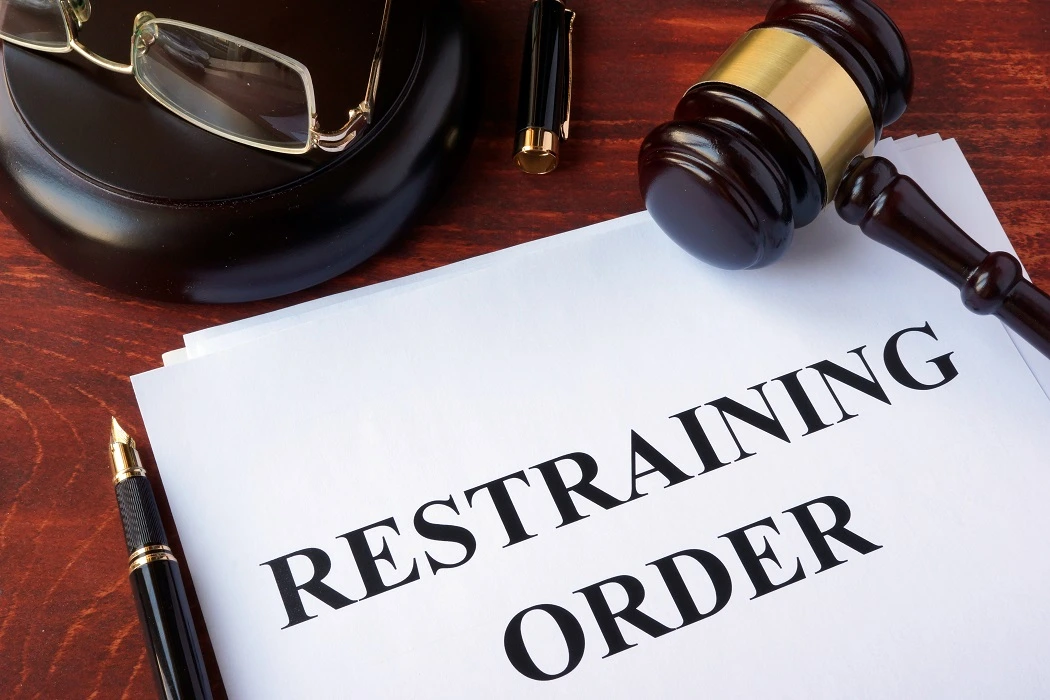
Sacramento courts evaluate specific facts when deciding whether to issue temporary and permanent orders. Qualifying conduct can include:
- Physical abuse or threats of physical harm from an intimate partner, family member, or household member.
- Credible threats from neighbors, coworkers, or acquaintances outside a close relationship.
- Workplace conduct that places an employee in reasonable fear of harm.
- Financial or physical abuse of an adult aged 65 or older or a dependent adult.
- Possession or threatened possession of firearms by a person with documented violent intent.
Courts do not issue restraining orders based on personal disputes, breakups without threats, or a general dislike. The conduct must meet the legal definition under the relevant statute and be supported by documented evidence. Filing without that foundation produces denials and creates a record that complicates future petitions.
Civil Protection vs. Criminal Prosecution: Critical Distinctions
Many clients arrive confused about criminal charges versus civil protection. Here's what matters: you don't need the targeted individual to have a criminal conviction for court protection.
Civil restraining orders through the family courts provide:
- Immediate protection without waiting for criminal prosecution
- Lower burden of proof than criminal cases
- Comprehensive remedies, including custody, housing, and support
- Violations creating new criminal charges with mandatory arrest
Criminal protective orders require:
- Active prosecution by the District Attorney
- Proof beyond a reasonable doubt
- Limited scope compared to civil orders
The Sacramento Court Process: What to Expect
After retaining and working with our firm to gather the necessary information, I will file your request with the Sacramento Superior Court. Temporary orders can be issued the same day based on submitted declarations, providing immediate protection while awaiting a hearing.
California law mandates personal service on respondents at least 5 days before the hearing. I coordinate professional process servers, ensuring proper notification and avoiding delays that leave you vulnerable.
Sacramento schedules hearings within 21 to 25 days. I prepare comprehensive evidence presentations, coordinate witnesses, and develop strategic arguments to maximize the probability of success. Historically, approximately 90% of DVRO petitions receive temporary restraining order approval at the same-day filing review. Approval of the permanent order at the contested hearing depends on the evidence presented, witness availability, and the quality of legal representation.
Following successful hearings, judges can issue permanent orders that last up to 5 years and are renewable indefinitely. These become immediately enforceable, with violations triggering mandatory arrest under California Penal Code Section 273.6.
Don’t wait for danger to decide your next step. We file, serve, and protect — while others are still hesitating.

Evidence That Wins Protection Orders
Sacramento judges evaluate specific evidence types when granting orders:

Physical Evidence
Injury photos, property damage, and medical records.

Digital Documentation
Texts, emails, social media threats.
.avif)
Witness Testimony
Testimony from observers, therapists, and medical providers.

Pattern Evidence
Escalating behavior documentation, prior violations, and sustained harassment demonstrate the necessity for ongoing protection.
Enforcement and Violations: Zero Tolerance
Order violations demand an immediate response. California Penal Code Section 273.6 makes restraining order violations a criminal offense punishable by fines of up to $1,000 and jail time of up to one year. Second violations within seven years can become felonies.
Many protection order violations go unreported. But we work with our clients to ensure every violation gets documented, reported, and addressed. My clients know exactly how to document breaches, engage law enforcement, and secure contempt findings.
Meet Jessica Abdollahi
First Strike Protection. Calculated Moves.
Like a panther stalking danger, I assess threats swiftly and strike decisively. In protection orders, timing saves lives, not hesitation.





With over 14 years of experience securing protection for families, I built AF Law Firm on one principle: calculated strategy protects better than emotional reactions.
Here's my approach to restraining orders:
- Rapid response filing: Emergency orders secured quickly and efficiently when danger threatens.
- Strategic evidence gathering: Building cases that a judge would grant in the first hearing.
- No-nonsense tracking: Every violation documented, every breach accounted.
- Precision timing: Filing when evidence peaks, not when emotions run high.
Why Clients in Sacramento Choose AF Law
Direct. Strategic. Victorious.

No Games. Pure Truth.
Court Authority. Proven Success.
Client Trust. Continued Referrals.
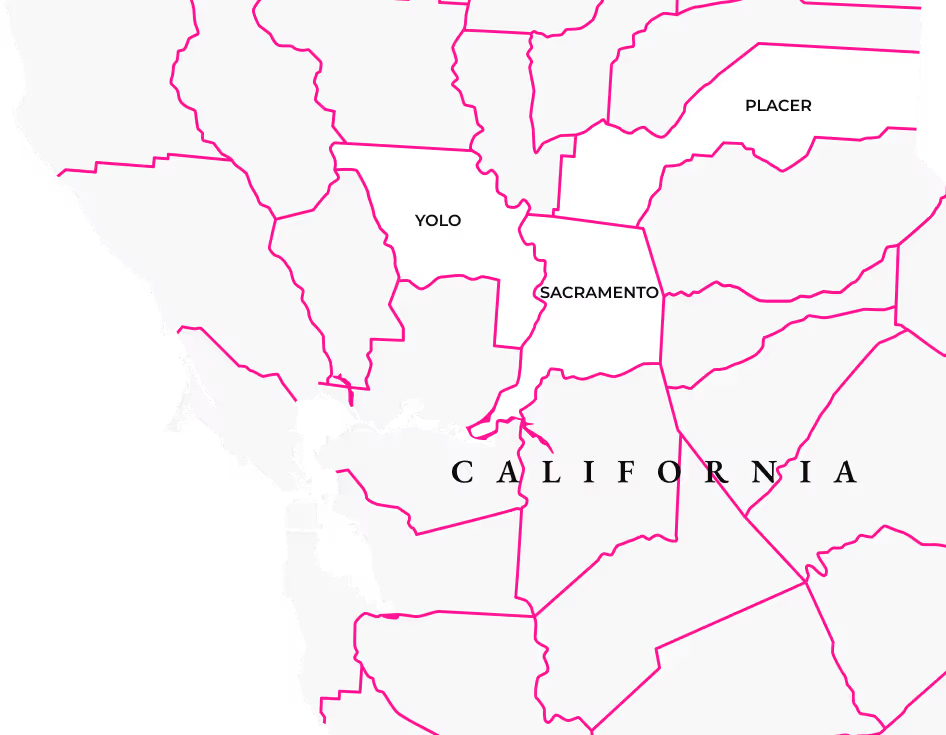
Serving Northern California
Three counties. One commitment: Your protection secured through strategic court action.
- Sacramento County: Downtown Superior Court, Elk Grove, Citrus Heights, Folsom branches
- Yolo County: Woodland, Davis, West Sacramento jurisdictions
- Placer County: Roseville, Rocklin, Lincoln, Auburn proceedings


Monday - Thursday: 9:00 am-5.00 pm
Friday: 9:00 am-1.00 pm
Saturday - Sunday: Closed
Break Free from Fear. I’ll Show You How.
In protection order cases, hesitation can lead to escalation. We strategically address the issues with your safety at the forefront. Your safety demands swift, strategic action. Make the call that can change everything for your future.
Frequently Asked Questions
Sacramento restraining order attorneys typically charge between $200 and $500 per hour, with total costs ranging from $2,500 for simple orders to over $ 15,000 for complex, contested hearings involving custody or property issues. Some attorneys offer flat fees for straightforward cases. Initial consultations often cost $175 to $350, though some provide free evaluations for domestic violence victims. Every case is different, and the retainer for your matter is set following the consultation once the scope of work is clear.
Approximately 90% of initial civil domestic violence restraining order petitions receive temporary approval. Permanent order success rates vary based on the quality of evidence and the quality of legal representation. Self-represented parties experience lower success rates, particularly in contested hearings, where experienced attorneys have a significant impact on outcomes.
Temporary restraining orders can last through the pendency of the case. Permanent orders can last up to 5 years and are renewable indefinitely. Emergency protective orders issued by police last 5 to 7 business days.
Violations constitute criminal offenses under California Penal Code Section 273.6. First violations are misdemeanors, punishable by up to a $1,000 fine and up to 1 year in jail. Subsequent violations within seven years can become a felony. Law enforcement must arrest violators when there is probable cause. Document all violations with photos, recordings, or witness statements for prosecution.