California opened 2026 with a set of custody changes that sharpen how courts handle firearms, abuse, and family safety. The bedrock rule still holds: judges decide custody on the best interests of the child. But several statutes that took effect January 1, 2026, change what a court must weigh and what tools parents have. If you are facing a custody case this year, these updates can directly affect your rights.
I am Jessica Abdollahi, and after 14+ years handling child custody cases across Sacramento, Yolo, and Placer counties, I help parents understand where the law stands and how to build their case around it. This guide leads with what changed in 2026, then covers the framework every custody decision rests on.
What Changed in 2026
The 2026 statutes extend a safety focus that has defined recent California custody reform. Three developments matter most for parents heading into a custody dispute this year.
Firearm Access in Emergency Custody Orders
California now requires a court to consider a parent's illegal access to firearms and ammunition when deciding whether a child faces immediate harm in an ex parte custody request. Illegal access means possession that violates state or federal law, a restraining order, a protective order, or a probation or parole condition. The court must also evaluate whether visitation should be supervised, limited, suspended, or denied when the evidence shows immediate harm or a risk that the child will be removed from California.
Tighter Firearm Relinquishment Standards
Amendments to Family Code Section 3044 and Family Code Section 6389 allow courts to weigh violations of firearm restrictions when setting custody in domestic violence cases. This reinforces the existing presumption against granting custody to a parent who has both committed abuse and broken firearm laws, giving judges a clearer basis to restrict custody where safety is at stake.
The Family Preparedness Plan Act

AB 495, the Family Preparedness Plan Act, took effect January 1, 2026. It allows a parent to name a temporary caregiver for their children through a simplified process for relatives or other trusted adults, without surrendering parental rights. The law aims to keep children out of the foster system when a parent becomes unavailable, and it gives families a way to plan for custody continuity in advance.
The Foundation: How California Decides Custody
Those 2026 changes operate on top of a framework that has not moved. Every custody decision in California starts from the same statutory footing, which tells you what a judge is actually looking for.
Legal Custody and Physical Custody
Legal custody is the authority to make major decisions about a child's health, education, and welfare, while physical custody determines where the child lives. Courts can award on a sole or joint basis, and the two need not match. A parent can hold joint legal custody while the other has primary physical custody.
The Best Interests Standard
Under California Family Code Section 3011, a judge weighs the child's health, safety, and welfare, any history of abuse, the nature of each parent's contact with the child, and substance abuse. Family Code Section 3020 makes the child's health and safety the court's primary concern when that goal conflicts with the policy of frequent contact with both parents.
The Preference for Frequent Contact
California policy favors frequent and continuing contact with both parents, which is why joint custody is the most common arrangement. That preference gives way when evidence shows contact would harm the child. It is a starting point, not a guarantee.
#cta_start
Bring Your Case to a Custody Attorney
Heavy documentation now shapes every emergency custody decision in 2026. I review your facts against the current statutes and build a real strategy.
#cta_end
Domestic Violence and the Section 3044 Presumption
Where abuse enters a custody case, the analysis changes at its core, and the 2026 firearm amendments plug directly into this rule. California does not leave the question to a judge's open discretion.
What the Presumption Does
Under Family Code Section 3044, a parent found to have committed domestic violence against the other parent or the child within the previous five years is presumed unfit for sole or joint custody. That parent must show the court, with evidence, that custody would still serve the child's best interests.
The Restraining Order Connection
A domestic violence restraining order can trigger this presumption, which is why a domestic violence finding often reshapes a custody case from the start. How these protective orders work, as covered in California restraining order laws, carries direct weight in the subsequent custody determination, and the 2026 firearm rules add another layer a judge must consider.
Piqui's Law and Judicial Training
A recent reform continues to shape how courts handle allegations of abuse in 2026. Piqui's Law reshaped two areas of custody practice that remain in force.
The Ban on Forced Reunification Programs
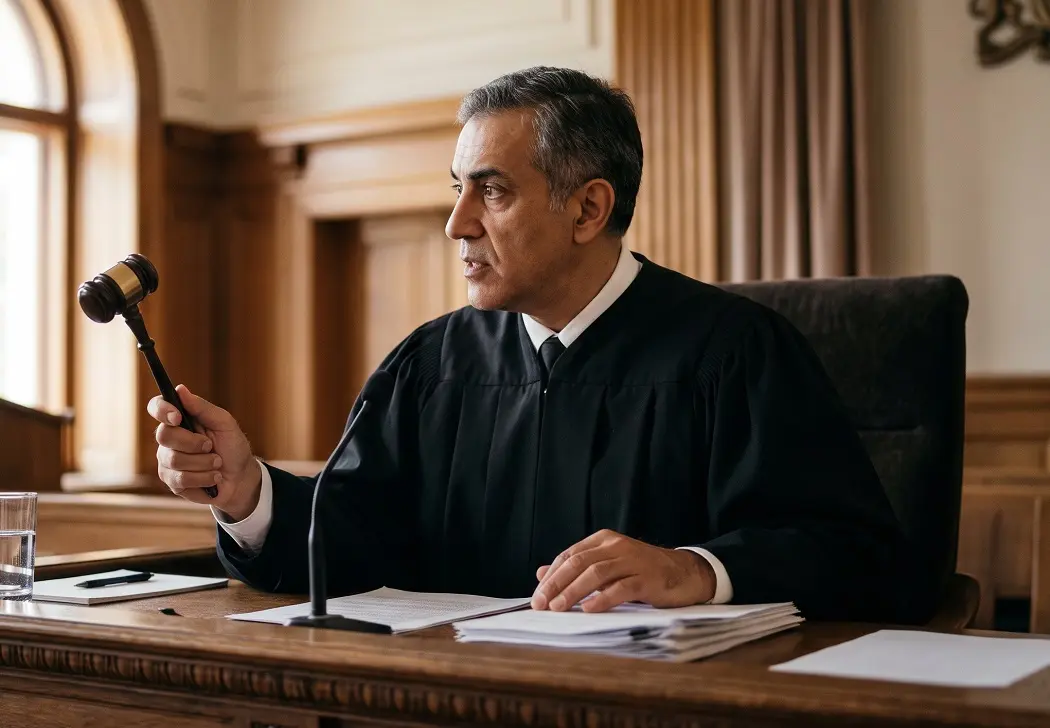
Piqui's Law, enacted through Senate Bill 331, took effect January 1, 2024, and amended Family Code Section 3026. It prohibits courts from ordering reunification treatments, camps, or programs that cut a child off from a parent to whom the child is bonded, a practice criticized for forcing children to recant abuse claims.
Mandatory Training for Judges
The same law directs the Judicial Council to run domestic violence and child abuse training for judicial officers who hear custody matters. Annual reporting on that training to the Legislature began in January 2025 and continues, building a record of how consistently judges complete it.
On the Horizon: A Proposed Equal Parenting Presumption
Parents researching 2026 changes will encounter talk of a 50/50 custody presumption, so it helps to separate new proposals from actual law. One bill under consideration would change the default, but it is not yet in effect.
What AB 1978 Would Do
AB 1978, the proposed California Equal Shared Parenting Act, would create a rebuttable presumption that equal parenting time serves the child's best interests when both parents are fit and live within 25 miles of the child's school. As introduced, it would define equal parenting time as each parent receiving at least 45 percent of annual overnights.
Why It Does Not Apply Yet
This bill is a proposal, not current law, and by its own terms it would apply only to custody proceedings filed on or after January 1, 2027, if the Legislature enacts it. For any case filed now, the existing best-interests framework governs, and the equal-time presumption does not apply.
How These Rules Affect Your Parental Rights
Statutes describe the framework, but your rights turn on how your facts meet it. A few practical realities shape most custody disputes in 2026.

Gender Is Not a Factor
California courts cannot favor a parent based on sex, gender identity, gender expression, or sexual orientation. Fathers and mothers hold equal standing, and a father who demonstrates a stable home and a strong bond with the child has the same claim to joint or sole custody as the mother.
Documentation Drives Outcomes
Because the court decides on evidence rather than assertion, the parent who documents their involvement and any safety concerns holds the stronger position. Records of caregiving, communication, and any incidents of abuse or firearm violations carry more weight than testimony alone, especially under the new 2026 firearm provisions.
A Child's Preference
As children mature, a judge may consider their custody preference, particularly when the child is old enough to express a reasoned view. The preference is one factor among many, not a deciding vote.
Talk with a Sacramento Child Custody Attorney
California's 2026 custody rules give judges a safety-first framework and sharper tools around firearms and abuse, but how those rules apply depends entirely on the facts you present. Whether your case involves a first custody order, a modification, or allegations that trigger the Section 3044 presumption, preparation determines the result.
Our team at AF Law handles custody establishment, modification, and enforcement across Sacramento, Yolo, and Placer counties. I give you a direct assessment of how the current law applies to your family and build your case around the child's best interests. Contact AF Law today to schedule your consultation.

%205.avif)