Divorce after 50 carries financial stakes that a divorce at 30 never does. A retirement account built over three decades, a spousal support order with no fixed end date, and a Social Security benefit you may be able to claim on your ex-spouse's record all turn on rules most people learn about too late. The wrong assumption here can cost you years of retirement income.
As a Sacramento divorce attorney with 14+ years of experience handling family law across Sacramento, Yolo, and Placer and other counties, I have watched clients sign settlements that looked fair on paper and left them short for the next 25 years. This guide explains what California law actually requires when you divorce later in life, and where the costly mistakes happen.
What "Gray Divorce" Means Under California Law
Gray divorce refers to the end of a marriage between spouses who are 50 or older. The phrase is demographic shorthand, not a legal category, and no California statute uses it.
No Separate Statute, Same Community Property Rules
California treats a divorce at 60 under the same legal framework as a divorce at 30. The difference is what is at stake. The community estate in a long marriage often holds decades of retirement contributions, home equity, investment accounts, and deferred compensation rather than a starter savings account.
Why Time Changes Everything
A 35-year-old who loses half a portfolio has decades to rebuild it. A 62-year-old usually does not. That single fact shapes every decision in a later-life divorce, from how hard to negotiate support to whether keeping the family home is realistic.
Long-Term Marriage Status and the 10-Year Rule
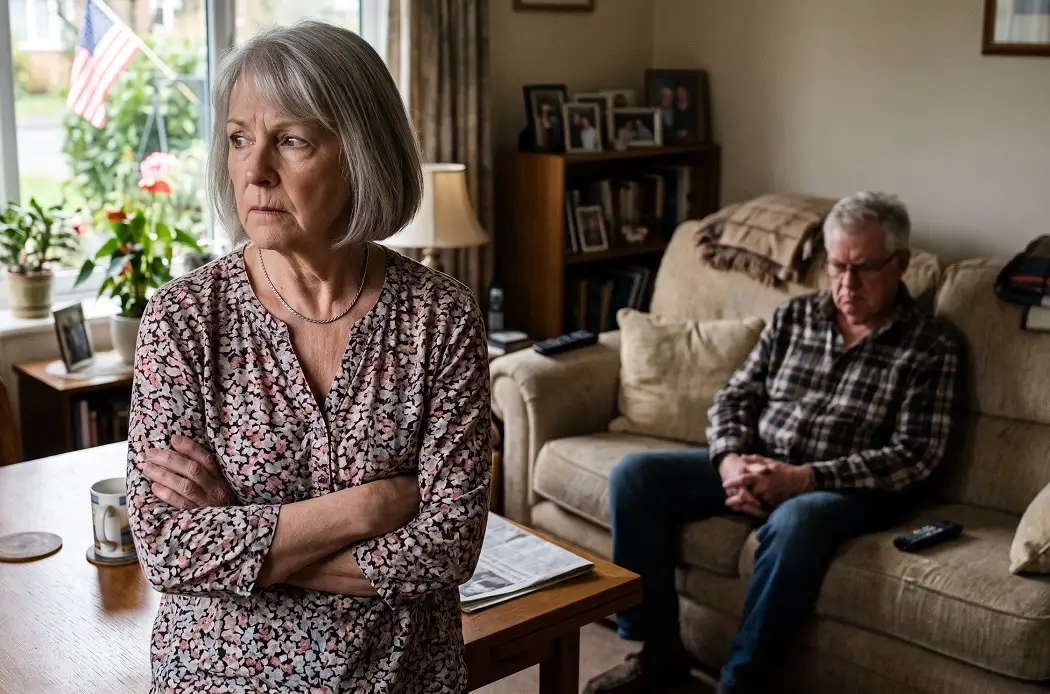
The most consequential question in a later-life divorce is whether your marriage qualifies as long-term. The answer controls how long spousal support can last and whether a court keeps authority over it for years.
What Family Code Section 4336 Actually Says
Under California Family Code Section 4336, a marriage of 10 or more years, measured from the date of marriage to the date of separation, is presumed to be a marriage of long duration. In those cases, the court retains jurisdiction over spousal support indefinitely rather than setting a hard end date. The presumption can be rebutted, and a court may also find a shorter marriage to be long-term based on the facts.
What the 10-Year Rule Does Not Mean
The 10-year rule is widely misunderstood. It does not mean support is paid for life. Section 4336(c) preserves the court's discretion to terminate support on a showing of changed circumstances, and support can end when the supported spouse remarries, becomes self-supporting, or other material facts shift.
Why the Date of Separation Decides So Much
The 10-year clock stops on the date of separation, not the date the judgment is signed. Under California Family Code Section 70, separation is the date one spouse communicates a final break and acts consistently with it. Couples who live apart for years before filing should know that earnings after separation are generally separate property, which can shift significant value out of the community estate.
Spousal Support When Both Spouses Are Older
Spousal support is usually the most contested issue in a later-life divorce, and a single order in a long marriage can represent a large share of one spouse's remaining lifetime income. California courts set support by weighing the factors in Family Code Section 4320, several of which carry added weight when both parties are nearing retirement.
Age, Health, and Earning Capacity
Section 4320 directs courts to consider the age and health of both parties, along with the supported spouse's marketable skills and the job market for those skills. A spouse who left the workforce 25 years ago to raise a family faces a different reality than a 35-year-old in the same position. Courts recognize that expecting full self-sufficiency from a 62-year-old long-term homemaker is often unrealistic.
The Marital Standard of Living
The standard of living during the marriage serves as the reference point for setting support. In a long marriage where the couple lived on a comfortable combined income, a court aims to keep both parties reasonably close to that standard. Two households cost more than one, so both spouses typically absorb a real reduction in lifestyle.
How Tax Treatment Shifted After 2019

For divorce agreements executed after December 31, 2018, spousal support is no longer deductible for the paying spouse and is no longer taxable income to the recipient under federal law. This removed a deduction that once made higher support amounts easier to agree to, which has tightened the numbers both sides will accept in settlement.
Dividing Retirement Accounts: The Central Issue
For most couples divorcing after 50, retirement assets are the largest part of the marital estate. Under California Family Code Section 760, any retirement benefit earned during the marriage is community property subject to equal division.
Pensions and the Time Rule
California uses a time-based formula to determine the community share of a pension or defined-benefit plan, dividing the months of plan participation during the marriage by the total months of participation. This approach applies to CalPERS, CalSTRS, and private-sector defined-benefit plans alike. Public pension systems require their own court orders and forms rather than a standard, private-plan order.
Why QDROs Cannot Wait
Employer-sponsored plans governed by ERISA are divided through a Qualified Domestic Relations Order, a specialized order directing the plan administrator to pay a share to the non-employee spouse. Without an approved order on file, the administrator has no authority to pay anyone but the participant.
Couples routinely reference a future order in their settlement and never file it, then discover years later that the funds were withdrawn or the share was never secured.
IRAs Move More Simply
Individual retirement accounts do not require a Qualified Domestic Relations Order. They are divided through a transfer incident to divorce under the federal tax code, allowing the receiving spouse to roll their share into their own IRA while preserving its tax-deferred status. This is one of the few parts of the retirement division process that is genuinely straightforward.
#cta_start
Worried Your Retirement Won't Survive the Split?
The dollars you protect today decide how you live for the next 25 years, so let's review your retirement accounts and build a division strategy before you sign anything.
#cta_end
Social Security After a Long Marriage
Social Security is not community property and cannot be divided in a California divorce. It is still one of the most valuable resources available after a later-life divorce, and the rules for divorced spouses are surprisingly favorable to people who were married for a long time.
Collecting on an Ex-Spouse's Record
A divorced spouse may claim Social Security on a former spouse's earnings record when the marriage lasted at least 10 years, the claiming spouse is at least 62, currently unmarried, and the ex-spouse is entitled to benefits.
According to the Social Security Administration, a divorced spouse who waits until full retirement age can receive up to 50% of the ex-spouse's full benefit. If you qualify on both your own record and your ex-spouse's, the SSA pays the higher of the two rather than both combined.
Your Claim Stays Private and Costs Your Ex Nothing
The Social Security Administration confirms that a claim on a former spouse's record does not reduce that person's benefit, does not affect their current spouse's benefit, and is not disclosed to them.
If you have been divorced for at least two years, you can claim even if your ex-spouse has not yet filed, as long as they are eligible. Survivor benefits for a divorced spouse can reach up to 100% of a deceased ex-spouse's benefit when the eligibility conditions are met.
Health Insurance Before Medicare Eligibility

Losing access to a spouse's employer health plan is one of the most immediate consequences of divorce for clients who are not yet 65. The gap between divorce and Medicare eligibility needs a deliberate plan, not an assumption.
Bridging the Gap to Age 65
Divorce is a qualifying event that opens continuation coverage under the federal COBRA law for up to 36 months, though the divorced spouse pays the full premium plus an administrative fee.
Divorce also triggers a special enrollment period for a Covered California marketplace plan, where income-based premium tax credits may apply. Section 4320 directs courts to weigh the health needs of both parties, so the cost of replacement coverage can be addressed directly in a support negotiation.
Updating Your Estate Plan
A later-life divorce unravels an estate plan that likely included a spouse who is about to become an ex-spouse. Wills, trusts, powers of attorney, and beneficiary designations all need attention, and the timing matters more than most people expect.
Beneficiary Designations Override Your Will
A beneficiary designation on a 401(k), IRA, or life insurance policy controls who receives that asset, regardless of what your will says. If a former spouse remains the named beneficiary after the divorce is final, that person can still receive the funds. Reviewing and updating every designation once the judgment is entered is one of the most important post-divorce steps, and one of the most commonly missed.
Automatic Restraints During the Case
The moment a divorce petition is served, automatic temporary restraining orders apply to both spouses, restraining the transfer or disposal of property and changes to insurance beneficiaries without consent or a court order.
In a later-life divorce with substantial retirement and investment accounts, this protects the estate while the case is pending. Neither spouse can quietly move accounts or cash out a plan during the proceeding.
Emotional and Practical Realities of Starting Over
The financial questions are demanding, and the personal adjustment deserves equal attention. Ending a marriage of 25 or 30 years means rebuilding housing, social ties, and daily routine at an age when starting over feels heavy.
Planning for One Income
A realistic post-divorce budget is essential, projecting income, expenses, and how long your assets will last across a 20- to 30-year retirement. This analysis should account for support paid or received, Social Security timing, and required minimum distributions from retirement accounts. A divorce financial professional can model the scenarios before you commit to a settlement.
When Mediation Fits
Couples with decades of shared history often have the maturity to resolve their divorce through mediation rather than a courtroom fight. Mediation tends to be faster, more private, and less costly, and it preserves the extended-family relationships that still matter when adult children are involved. It is not right for every case, but it deserves honest consideration.
Take Control of Your Divorce After 50
A gray divorce is an undertaking that turns on retirement plan division, long-term spousal support, Social Security strategy, health coverage, and estate planning, where one decision reverberates through the rest of your financial life.
Our team at AF Law handles divorce, property division, and spousal support cases across Sacramento, Yolo, and Placer counties. I give direct answers about what California law requires and where the expensive mistakes hide. Contact AF Law today to schedule your consultation.

%205.avif)